

1. What Is Biotechnology in Agriculture?
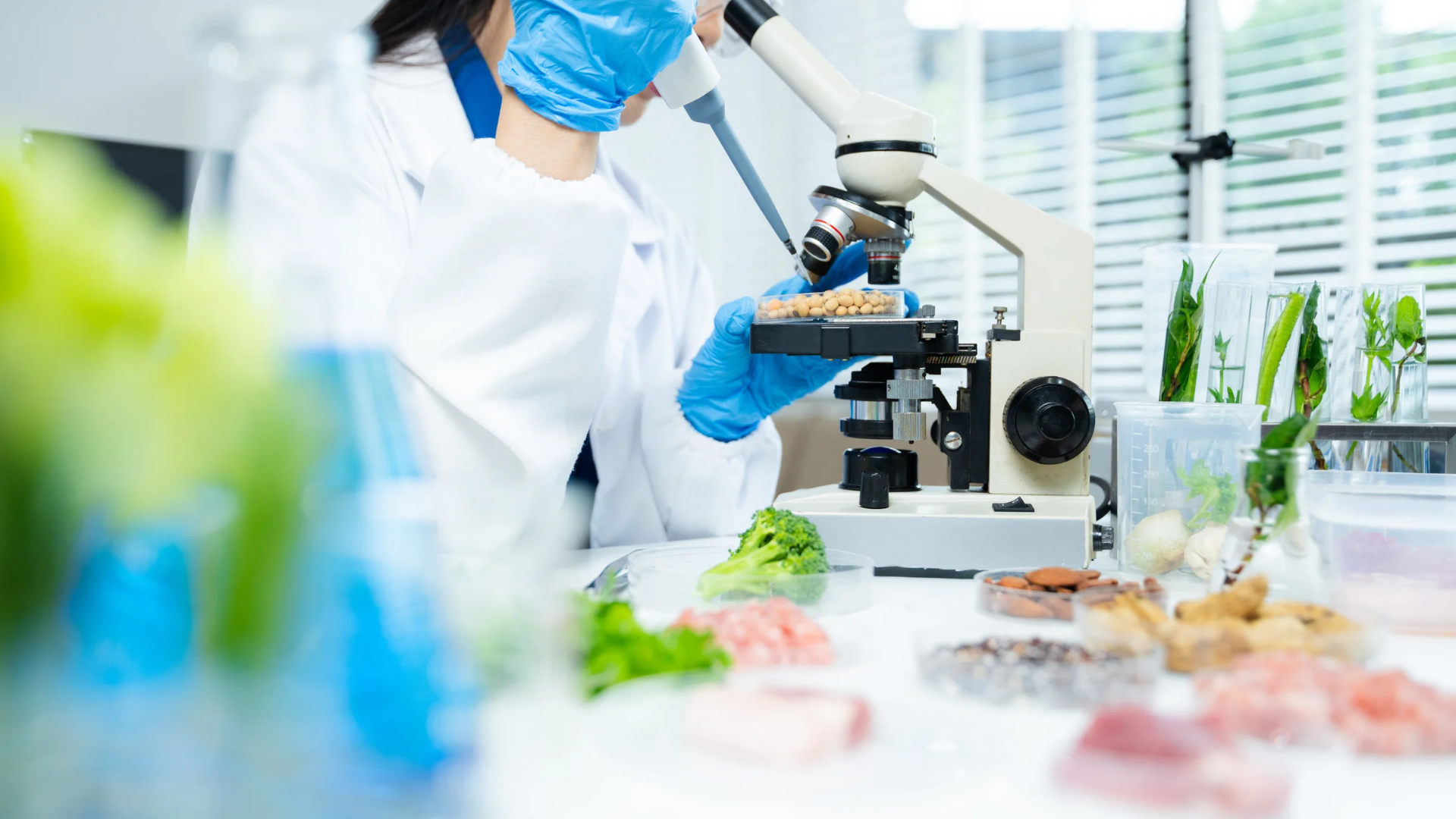
Biotechnology in agriculture involves the use of biological systems, living organisms, or biologically derived components to improve crop varieties, manage diseases, enhance production efficiency, and develop products for agricultural purposes.
This field encompasses a wide range of technologies, from plant tissue culture and molecular marker-assisted breeding to the use of beneficial microorganisms, biological diagnostics, and the development of biological products.
According to the Food and Agriculture Organization of the United Nations (FAO), biotechnology can be applied across various areas of agri-food systems, including crop improvement, disease diagnosis in livestock, disease management in aquaculture, tissue culture, and fermentation processes. These applications should be implemented responsibly, in accordance with production conditions and safety requirements.
In Vietnam, biotechnology is being developed as an important field to support agricultural modernization. Decision No. 429/QĐ-TTg, dated March 24, 2021, issued by the Prime Minister, approved the Scheme for the Development of Biotechnology Industries in the Agricultural Sector through 2030, focusing on the research, development, and practical application of biotechnology products in agricultural production.
2. Applications of Biotechnology in Modern Agriculture in Vietnam
2.1. Plant Tissue Culture and Crop Propagation
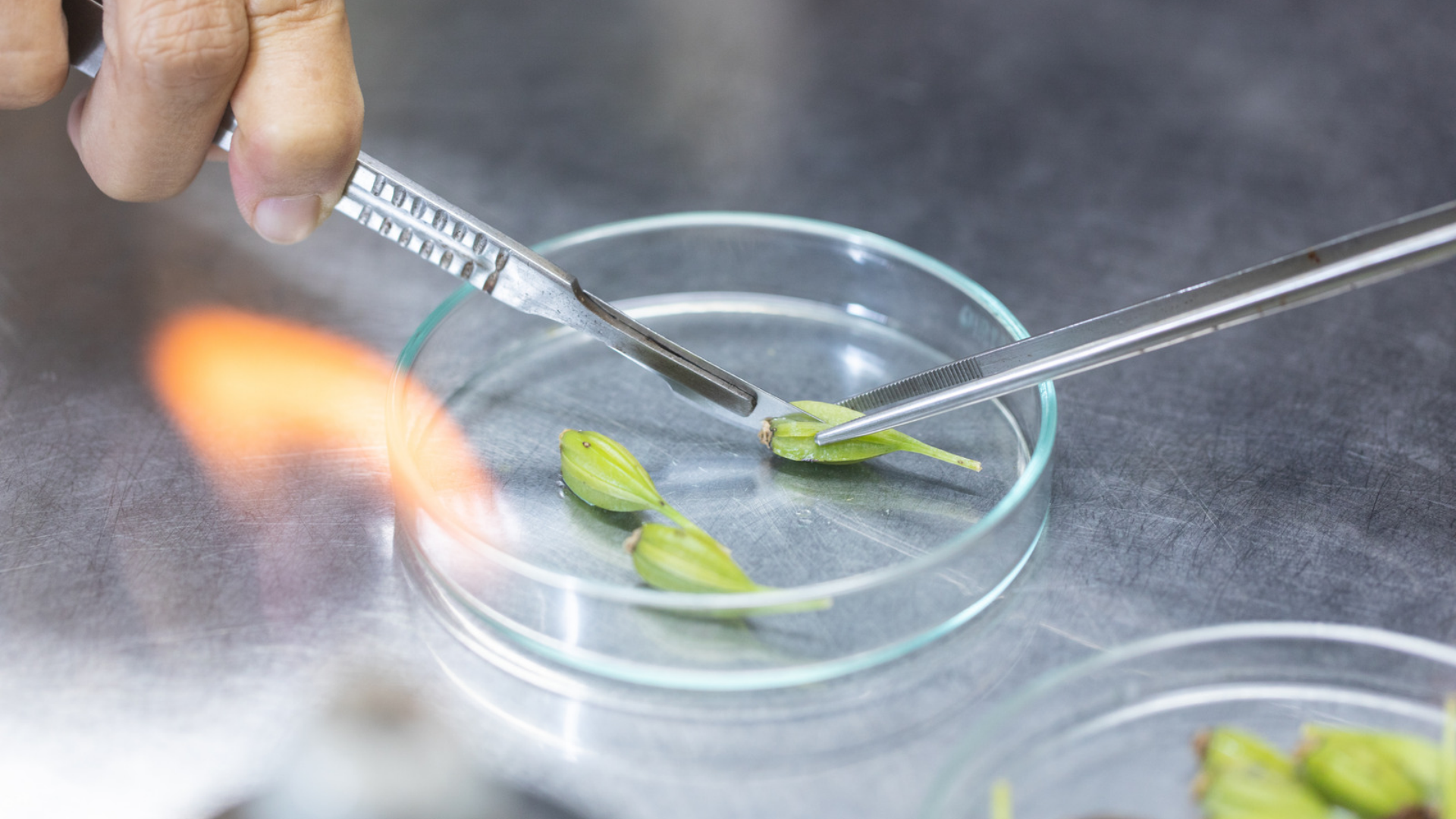
Plant tissue culture is a technique that involves growing plant cells, tissues, or organs under controlled conditions in a suitable nutrient medium to regenerate and propagate plants.
Compared with traditional propagation methods, this technique enables the mass production of seedlings in laboratory conditions. When the process is properly optimized and quality is well controlled, it can produce more uniform planting materials and support the rapid propagation of economically valuable plant varieties.
In Vietnam, researchers have studied and developed plant tissue culture over many years. It can help plant nurseries and propagation facilities meet the demand for larger quantities of seedlings, particularly for crops that require rapid multiplication or are difficult to propagate using conventional methods.
However, its practical effectiveness depends on several factors, including the plant species, culture protocols, laboratory costs, and the ability of seedlings to adapt after being transferred to natural growing conditions. Quality assessment and disease screening remain essential to ensuring healthy planting materials.
2.2. Crop Breeding Using Biotechnology
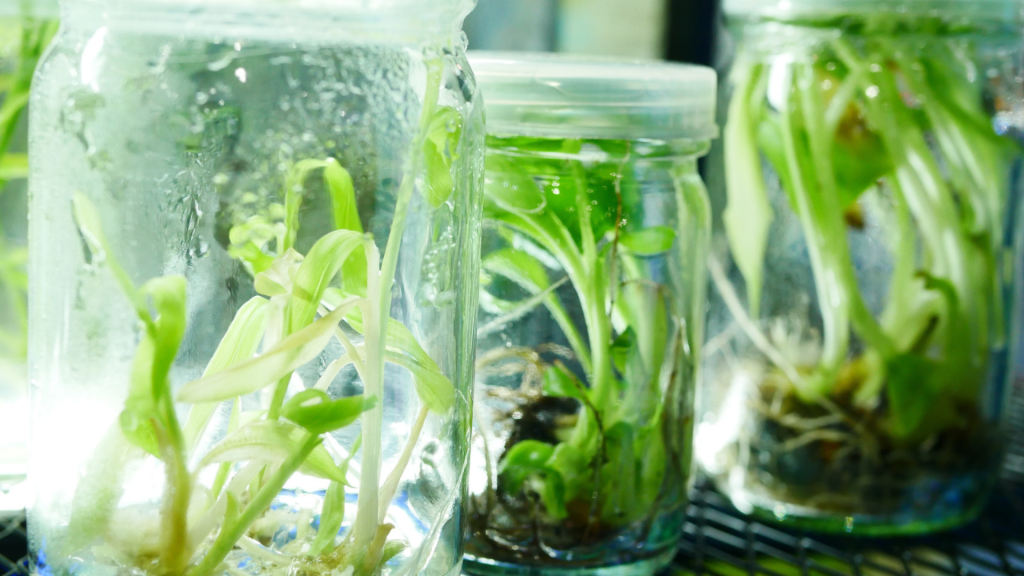
Crop varieties that can adapt well to environmental conditions and resist pests and diseases are among the key factors influencing agricultural productivity.
Biotechnology provides tools to support crop research and breeding, such as molecular markers, genetic material analysis, and molecular biology techniques. These tools can help researchers identify genetic traits associated with desired characteristics, thereby supporting the selection and evaluation of crop varieties.
According to the Food and Agriculture Organization of the United Nations (FAO), crop biotechnology can be used to develop varieties with improved tolerance to drought, resistance to pests and diseases, and better adaptability to challenging growing conditions.
In Vietnam, this research is particularly relevant as agricultural production faces the need to adapt to changing climate conditions, increasing pest and disease pressures, and growing demands for agricultural product quality.
It is important to note that marker-assisted breeding does not mean producing genetically modified (GM) crops. These are distinct approaches, each involving different research processes and regulatory requirements.
2.3. The Use of Beneficial Microorganisms and Biological Products in Agriculture
Another notable application is the use of beneficial microorganisms to support crop nutrition, improve biological activity in soil, and help control certain harmful organisms.
Common types of products include:
-
Microbial fertilizers: Contain microorganisms that help supply or transform nutrients, making them more available to crops.
-
Microbial soil improvement products: Developed to support organic matter decomposition and biological activity in the soil.
-
Biological plant protection products: Use microorganisms or biologically derived substances to control certain pests and plant diseases.
-
Agricultural by-product treatment products: Apply microorganisms and biological processes to decompose or process organic materials.
The Food and Agriculture Organization of the United Nations (FAO) identifies biofertilizers and biological plant protection methods as applications in crop biotechnology. However, each product’s effectiveness depends on the microbial strain, environmental conditions, crop type, and application method.
In practice, biological products should not be considered complete replacements for chemical fertilizers or pesticides. Product selection should be based on the intended purpose, product quality, technical guidelines, and specific farming conditions.
2.4. Biological Diagnostics and Crop Disease Management
Early detection of disease-causing agents plays an important role in reducing the risk of disease spread and selecting appropriate control measures.
Molecular biology techniques, such as PCR and other genetic material-based testing methods, can help detect specific pathogens in plant, soil, or water samples when appropriately designed and validated.
In agricultural research and production, these techniques can be used to:
-
Support the identification of disease-causing agents.
-
Check planting materials for potential infections.
-
Monitor certain pathogens throughout the production process.
-
Provide information to guide the selection of pest and disease management measures.
However, test results must be interpreted according to established technical procedures. Accuracy depends on the testing method, sample quality, assay design, and testing conditions. Biological diagnostics should also be combined with field monitoring and integrated pest management practices.
2.5. Biotechnology in Circular Agriculture and Agricultural By-product Treatment
After each production cycle, agricultural activities generate various types of by-products, such as rice straw, crop stalks and leaves, agricultural produce peels, and organic waste. When properly collected and processed, some of these materials can serve as inputs for other production processes.
Biotechnology can contribute to the decomposition of organic materials, fermentation, and the production of bio-based products. The Food and Agriculture Organization of the United Nations (FAO) recognizes that fermentation processes, enzyme production, and bio-based technologies can help convert biological resources into food, animal feed, and industrial raw materials.
For Vietnam’s agricultural sector, these applications offer opportunities to make better use of agricultural by-products and connect crop production with processing, livestock farming, and the production of agricultural inputs.
However, not all by-products can be processed using the same methods. The choice of technology depends on the composition of the raw materials, moisture content, operating conditions, the quality of the final product, and environmental requirements.
3. Why Is Biotechnology Gaining Increasing Attention in Vietnamese Agriculture?
In the face of challenges such as climate change, pests and diseases, rising agricultural product quality standards, and the need to optimize production costs, biotechnology is gaining attention as an approach to modern agriculture. Rather than relying solely on traditional farming methods, producers can apply biological solutions to improve planting materials, support disease management, and make more efficient use of available resources.
Three key factors are driving interest in agricultural biotechnology:
-
Improving crop quality and varieties: Techniques such as plant tissue culture and marker-assisted breeding support crop propagation, the evaluation of genetic traits, and the selection of varieties suited to specific growing conditions.
-
Supporting disease management and soil improvement: Microbial products, biological plant protection solutions, and diagnostic technologies can help producers monitor, prevent, and manage certain challenges that arise during cultivation.
-
Moving towards sustainable agricultural production: Biotechnology can be applied to agricultural by-product treatment, organic matter decomposition, and the development of bio-based products, helping make better use of resources and reduce waste when implemented appropriately.
However, the effectiveness of each solution depends on the crop, environmental conditions, product quality, and application methods. Therefore, technology selection should be based on scientific evidence, practical trial results, and the specific needs of each production system.
4. Challenges in Applying Biotechnology to Agriculture
Although biotechnology offers significant potential, its application in agriculture still faces several challenges. First, many solutions require substantial investment in research, specialized equipment, facilities, and skilled personnel. This can create barriers for small businesses and organizations that lack the resources to adopt new technologies.
In addition, transferring research findings into practical production requires careful consideration. A technology that performs well in laboratory conditions may not deliver the same results when applied on a larger scale, as its effectiveness depends on environmental conditions, crop characteristics, and farming practices. Therefore, solutions should be tested and evaluated before commercial implementation to ensure consistent performance and cost-effectiveness.
For biological products such as microbial preparations and biofertilizers, product quality and application methods also directly affect results. Improper storage or use under unsuitable farming conditions may reduce their effectiveness. Businesses must also consider relevant requirements for product quality, biosafety, and environmental protection, depending on the technology and product involved.
To unlock the potential of biotechnology in agriculture, stronger connections between scientific research and practical production needs are essential. Selecting appropriate technologies, validating their effectiveness through trials, and establishing clear application protocols will help businesses gradually integrate biological solutions into agricultural production.
5. Prospects for Biotechnology Applications in Vietnamese Agriculture
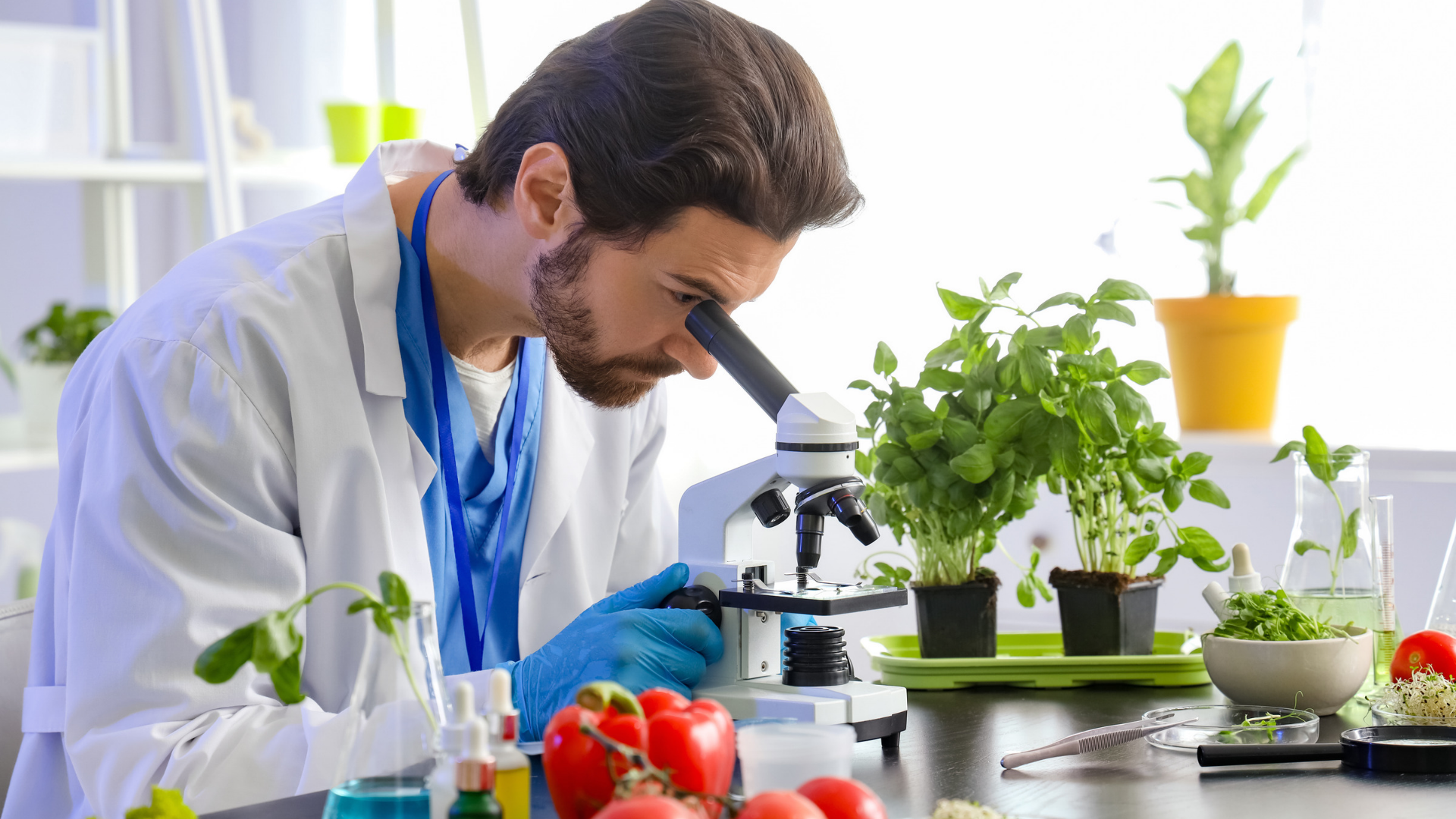
microbial products, and agricultural by-product conversion are important areas to consider in the modernization of agriculture.
However, the prospects of each technology should be assessed based on research evidence, implementation conditions, and practical needs. Expanding their application must also go hand in hand with quality control, safety, and economic viability.
For businesses operating in the biotechnology sector, keeping up with new solutions and connecting with researchers, producers, distributors, and other supply chain partners can support market exploration and the development of business collaborations.
Through industry networking activities, businesses have more opportunities to showcase their products, exchange insights on application needs, and identify suitable partners.
6. Business Networking at BioTech Vietnam 2027
The development of biotechnology is creating new opportunities for applications in agriculture, livestock production, the food industry, and related sectors. To bring these solutions to a wider market, connections between research organizations, technology providers, manufacturers, and commercial partners play an important role in the industry’s development.
BioTech Vietnam 2027 provides an opportunity for businesses and professionals in the biotechnology sector to meet, showcase their solutions, exchange industry insights, and explore potential business collaborations.
Businesses developing biotechnology products, equipment, or solutions are invited to explore exhibiting opportunities at BioTech Vietnam 2027 to showcase their expertise and connect with potential partners.
