
Biotechnology is no longer limited to distant laboratory experiments. Today, it has become the “backbone” of global innovation efforts. From redefining the way we treat diseases to creating sustainable bio-based materials that can replace plastic, biotechnology is steadily solving the challenges of building a more sustainable and efficient future.
The Role of Biotechnology in Modern Industry
In today’s industrial landscape, competitive advantage is no longer defined by factory size alone. It now depends on operational efficiency, innovation speed, and the ability to optimize systems. The use of microorganisms and enzymes in manufacturing is creating breakthroughs that traditional chemical methods cannot achieve.
As a result, production systems operate more efficiently, consume less energy, and still maintain stable output levels. At the same time, molecular-level interventions allow manufacturers to tightly control product purity and characteristics, meeting increasingly strict market standards. Beyond that, emerging technologies also enable businesses to test faster, reduce errors, and significantly shorten the journey from concept to commercialization.
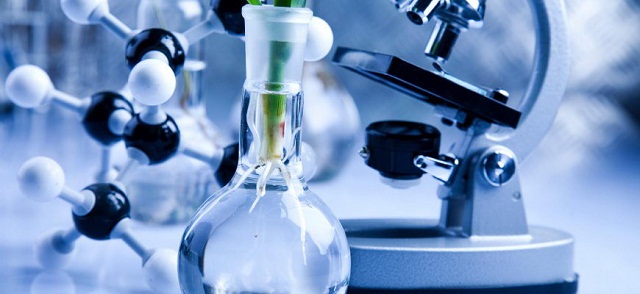
Biotechnology Is Reshaping R&D
The rapid shift from manual research methods to digital platforms has transformed R&D into a field driven by precision and speed.
Genomics and Molecular Biology
Having access to the genetic map of living organisms is like holding an instruction manual for life itself. This allows scientists to personalize research and develop tailor-made solutions for specific crops, medical treatments, and biological applications.
Rather than depending on trial and error, modern product development is optimized through the ability to understand biological reactions from the earliest stages. This helps eliminate costly research directions before major investments are made.
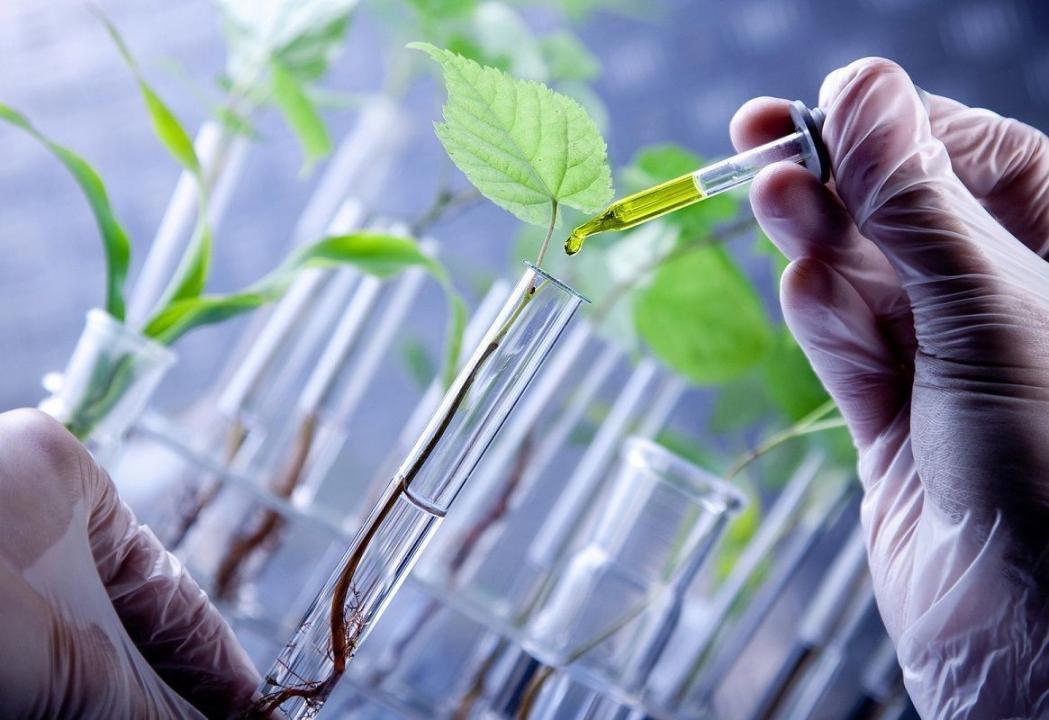
Biological Data
In smart manufacturing facilities, monitoring biological processes throughout production has become an essential standard. Continuous data streams provide managers with real-time insights into the “health” of production lines at any moment.
Real-time quality control is no longer just a concept. Thanks to biosensors, any irregularities can be detected immediately, helping businesses maintain product quality, protect brand reputation, and minimize waste rates.
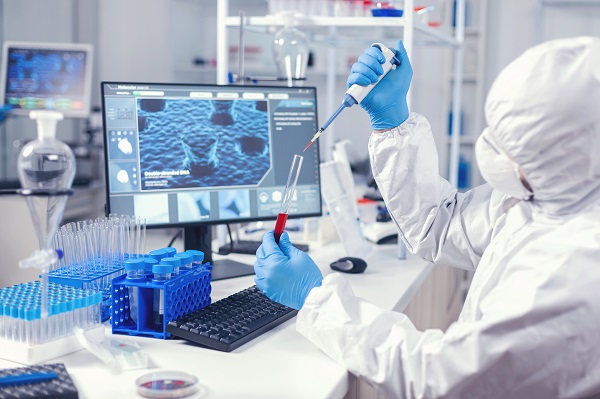
Regenerative Biotechnology
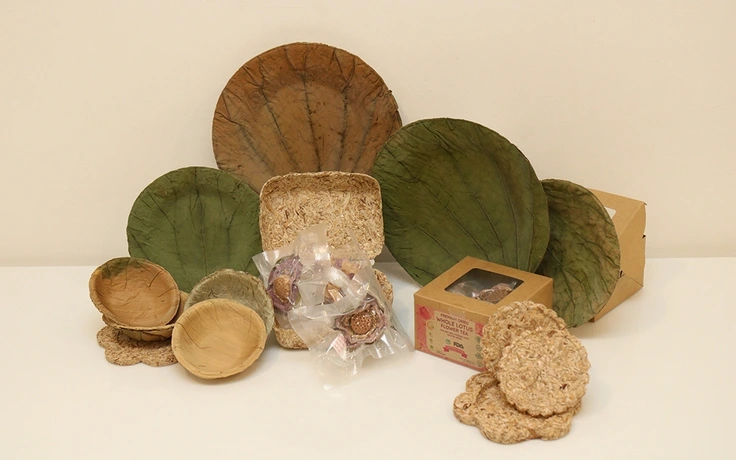
Biomaterials are opening a new era for the consumer industry. Biodegradable packaging and durable bio-based leather are gradually replacing depleted and harmful fossil-based materials.
Sustainable manufacturing is no longer just a marketing slogan — it reflects a genuine shift in the way resources are utilized. Transforming organic waste into high-value products has become a key driver of the circular economy.
AI and Big Data in Biotechnology
As biological research reaches unprecedented levels of data complexity, AI and Big Data are giving scientists an entirely new level of capability.
This combination enables highly accurate predictions of experimental outcomes, reducing R&D cycles to nearly one-third of their previous duration. Instead of spending years on experimentation, AI can analyze millions of data samples in just a few hours to identify optimized production formulas, allowing businesses to move faster and gain a competitive advantage in the market.
Challenges Facing Biotechnology
However, with great technological power comes equally significant ethical and legal responsibility.
Finding the balance between innovation and risk management remains one of the biggest challenges for policymakers worldwide. Sensitive issues such as gene editing and biosafety require extremely strict regulatory standards to ensure that biotechnology continues to serve humanity responsibly and ethically.
To stay connected with the latest breakthroughs and witness how the industry is evolving globally, experts often turn to major industry gatherings and knowledge-sharing events throughout the year.
Biotech Vietnam 2026 — Where Research, Business, and Technology Converge
As biotechnology becomes increasingly dependent on interdisciplinary collaboration, face-to-face industry platforms are becoming more important than ever in transforming theory into real-world opportunities.
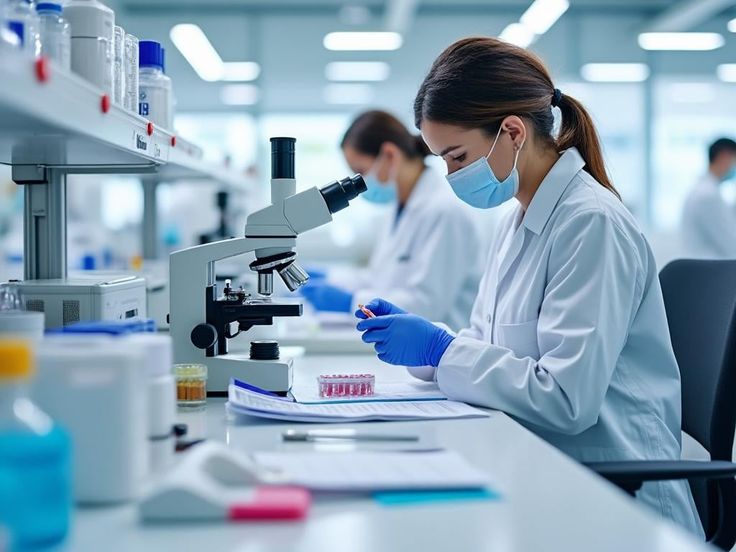
Biotech Vietnam 2026 serves as a bridge connecting technology supply chains with practical research applications. The exhibition helps narrow the gap between laboratories and the market while creating collaboration opportunities for businesses across the industry.
At the event, visitors will gain comprehensive insights into industry trends through new technologies, advanced laboratory equipment, and the participation of international enterprises. More than just an information-sharing platform, the exhibition also offers valuable opportunities to find partners and evaluate the market directly.
Register now to stay ahead of global biotech trends: https://biotechexpo-vietnam.com
FAQ — Frequently Asked Questions About Biotechnology
How is biotechnology different from other life sciences? Biotechnology focuses on the practical application of living organisms in production and everyday life, rather than purely theoretical research.
How can businesses integrate biotechnology into their value chain? Companies can apply biotechnology to raw material processing, manufacturing optimization, or the development of environmentally friendly products.
What role does data play in modern biotechnology research? Data helps researchers simulate processes, predict outcomes, and reduce the costs associated with real-world experimentation.
Why are industry exhibitions important in the biotechnology ecosystem? Industry exhibitions are one of the fastest ways to discover emerging technologies and connect with leading global solution providers.